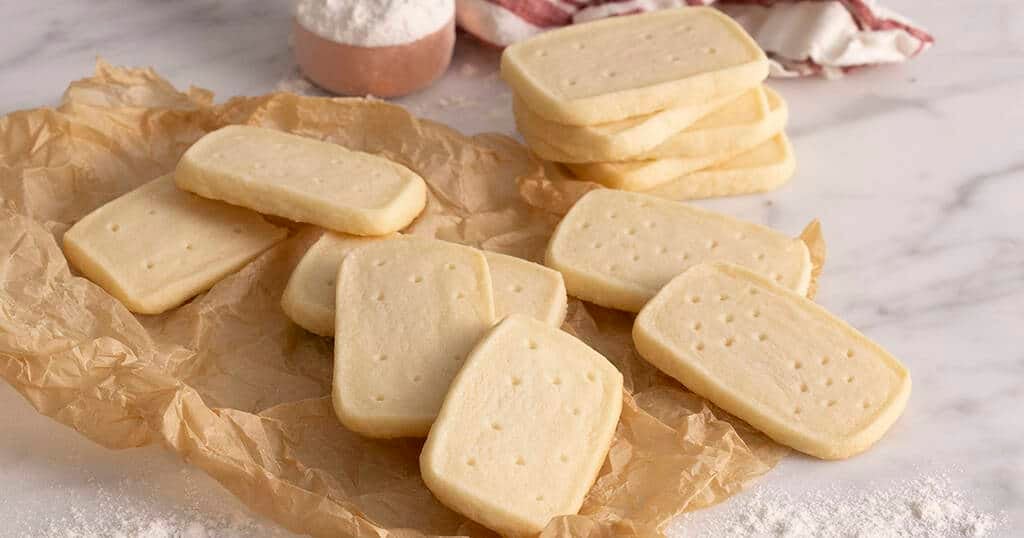
Secrets to Melt-In-Your-Mouth Grain-Free Shortbread: Unlocking the Perfect Buttery Bite
The quest for that quintessential melt-in-your-mouth shortbread experience often feels like a culinary holy grail for those embracing a grain-free lifestyle. Traditional shortbread, with its humble ingredients of flour, butter, and sugar, relies heavily on the gluten in wheat flour to achieve its delicate yet sturdy texture. So, how do you replicate that buttery, crumbly perfection without any grains? The good news is, it's not only possible but incredibly rewarding. Mastering grain free shortbread cookies is about understanding the role each ingredient plays and making smart substitutions to achieve a texture that rivals, or even surpasses, its gluten-containing counterpart.
Forget dry, crumbly, or overly dense imposters. We're diving deep into the secrets that transform simple ingredients into sublime grain free shortbread, ensuring every bite is a delightful journey of flavor and texture. From selecting the right flours to mastering the art of the perfect bake, these insights will empower you to create Easy Grain-Free Shortbread: Your Perfect Buttery Cookie every single time.
The Foundation: Choosing Your Grain-Free Flours for Shortbread Perfection
The heart of any shortbread recipe lies in its flour, and for grain free shortbread cookies, this means a thoughtful blend is key. Unlike wheat flour, which offers structure through gluten, grain-free flours bring different properties to the table. A single grain-free flour often won't cut it; a carefully balanced combination is usually required to mimic the desired texture – tender yet firm enough to hold its shape.
- Almond Flour: This is often the star player in grain free shortbread recipes. Finely ground almond flour (not almond meal, which is coarser) provides a rich, slightly sweet flavor and a tender crumb. It's high in fat, which contributes to the melt-in-your-mouth quality. However, too much almond flour can make cookies overly delicate or greasy.
- Coconut Flour: A highly absorbent flour, coconut flour can be a double-edged sword. A small amount adds fiber and can help bind the dough, but use it sparingly! Too much will result in a dry, crumbly, and often gritty cookie. It also imparts a distinct coconut flavor, which may or may not be desired.
- Tapioca Flour (or Arrowroot Starch): These starches are your secret weapons for achieving that classic "snap" and delicate crispness. They lighten the texture, prevent gumminess, and contribute to the shortbread's signature melt. A common ratio might involve 2 parts almond flour to 1 part tapioca flour, with a tiny touch of coconut flour if needed for structure or absorbency.
- Other Options: Less common but still viable are flours like tigernut flour (adds a slightly earthy, sweet flavor) or cashew flour. Always consider the fat content and absorption rates when experimenting.
Pro Tip: Sifting your grain-free flours, especially almond flour, is crucial. It removes any lumps, aerates the flour, and ensures a smoother, more uniform dough, leading to a superior texture in your finished grain free shortbread.
The Magic of Fat: Achieving That Buttery Melt
Shortbread, by definition, is "short" due to its high fat content, which inhibits gluten development (not an issue here, but still relevant for texture) and creates a tender, crumbly bite. For truly melt-in-your-mouth grain free shortbread cookies, the fat you choose and how you handle it are paramount.
Unsalted Butter: The Gold Standard
High-quality unsalted butter is almost non-negotiable for authentic flavor. Its fat content and melting properties are key to the desired texture. Here's how to master it:
- Temperature Matters: Start with cold butter, cut into small cubes. This is different from many cookie recipes that call for softened butter. Cold butter helps create steam during baking, which separates the layers of dough, resulting in a flakier, tender crumb.
- Creaming vs. Cutting In: While some recipes cream butter and sugar, for a truly "short" shortbread, many bakers prefer to cut cold butter into the flour and sugar mixture. This prevents overworking the butter and develops those delightful pockets of fat that melt in the mouth.
- High Butterfat Butter: If available, opt for European-style butters with a higher butterfat content (82-84%). This translates to less water and more rich, buttery flavor and a superior texture.
Dairy-Free Alternatives for Dietary Needs
If you're avoiding dairy, fear not! Delicious grain free shortbread is still within reach:
- Ghee: Clarified butter is naturally dairy-free (lactose and casein removed) and has a wonderful nutty flavor. It performs very similarly to butter in baking.
- Solid Coconut Oil: Use refined coconut oil for a neutral flavor. It works well, but be mindful that it melts at a lower temperature than butter, which can affect dough handling. Chill your dough thoroughly.
- Vegan Butters: High-quality, stick-form vegan butters (like Miyoko's Kitchen or Earth Balance sticks) can be excellent substitutes. Look for those with minimal water content for the best results.
Precision Baking: Techniques for Grain-Free Shortbread Success
Achieving the perfect texture in your grain free shortbread isn't just about ingredients; it's also about meticulous technique. Every step, from mixing to cooling, contributes to that melt-in-your-mouth result.
- Don't Overmix: Once you've added the liquid ingredients (if any, shortbread typically has very few), mix just until the dough comes together. Overmixing develops toughness, even in grain-free doughs. The goal is a cohesive dough, not a smooth, elastic one.
- Chilling is Critical: This is arguably one of the most important steps for any shortbread, and especially for grain free shortbread cookies. Chilling the dough for at least 30 minutes (or up to an hour) solidifies the fat, prevents spreading during baking, and allows the flavors to meld. It also makes the dough much easier to handle, roll, and cut.
- Even Thickness: Whether you're rolling out and cutting shapes or pressing the dough into a pan, ensure an even thickness. This guarantees uniform baking, preventing some cookies from being underdone while others are overdone.
- Low and Slow Baking: Shortbread is traditionally baked at a lower temperature for a longer time. This gentle heat allows the cookies to dry out and become crisp without browning too quickly. A temperature range of 300-325°F (150-160°C) is common. You're looking for a very light golden edge, not deep brown.
- Cooling on the Pan: After baking, let your grain free shortbread cool on the baking sheet for 5-10 minutes before transferring to a wire rack. They will be very delicate when hot and firm up as they cool. This prevents breakage and helps them retain their shape.
For those looking to expand their repertoire, you can Discover Delicious & Healthy Grain-Free Shortbread by incorporating different flavorings and subtle healthy twists.
Beyond the Basic: Flavor Variations and Troubleshooting Tips
While classic shortbread is delightful on its own, don't hesitate to experiment with flavors. A touch of vanilla extract is standard, but consider:
- Citrus Zest: Lemon, orange, or lime zest adds a bright, refreshing note.
- Spices: A pinch of cinnamon, cardamom, or even a very subtle hint of ginger can elevate the flavor.
- Chocolate: Mini chocolate chips, a drizzle of melted chocolate, or even cocoa powder in the dough for chocolate shortbread.
- Nuts/Seeds: Finely chopped pistachios, pecans, or poppy seeds for added texture and flavor.
- Extracts: Almond extract, peppermint extract, or lavender extract can offer unique profiles.
Troubleshooting Common Grain-Free Shortbread Issues:
- Too Crumbly (Dough): If your dough won't come together, it might be too dry. Add a tiny bit more cold butter or a tablespoon of ice water, one teaspoon at a time, until it forms a cohesive ball.
- Too Greasy: This usually means too much fat, or the flour blend isn't absorbing enough. Ensure you're using finely ground almond flour and a good starch balance. Over-squeezing the dough can also release excess oils.
- Hard/Dense Cookies: Often a sign of overmixing the dough, too much binder (like too much coconut flour), or baking at too high a temperature.
- Spreading Too Much: Insufficient chilling time is the most common culprit. Also, ensure your butter is cold when you start.
With these secrets in hand, you're well on your way to baking batches of the most divine grain free shortbread cookies you've ever tasted. The journey from ingredients to oven-fresh perfection is a rewarding one, promising buttery, tender bites that satisfy even the most discerning shortbread connoisseur.
