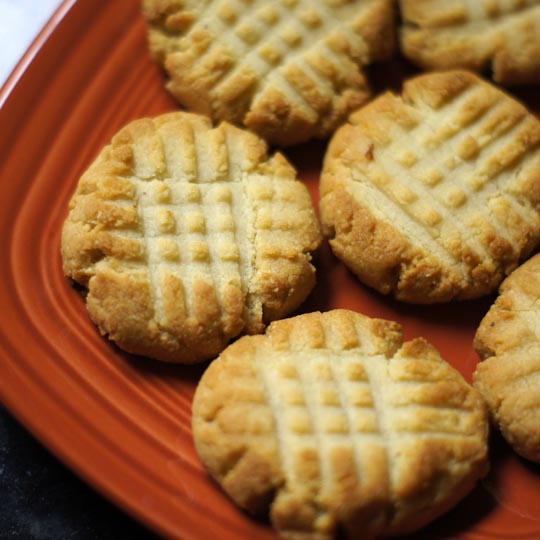
Discover Delicious & Healthy Grain-Free Shortbread
Are you searching for a delightful treat that satisfies your sweet tooth without derailing your healthy eating goals? Look no further than
grain-free shortbread cookies. These buttery, crumbly, and utterly delicious biscuits offer all the indulgence of traditional shortbread, but with a wholesome, grain-free twist. Perfect for those with gluten sensitivities, celiac disease, or anyone simply looking to reduce their grain intake, grain-free shortbread has become a beloved staple in healthy baking. Forget dry, crumbly imitations; modern grain-free recipes have mastered the art of creating shortbread that’s just as tender and flavorful as its conventional counterpart, often even more so. This comprehensive guide will explore the magic behind these irresistible cookies, from why you should embrace grain-free baking to mastering the perfect melt-in-your-mouth texture.
The Allure of Grain-Free Baking: Why Embrace It?
The movement towards grain-free eating has gained significant momentum, and for good reason. For many, eliminating grains can lead to a host of health benefits, making delicious alternatives like grain-free shortbread a welcome addition to their diet.
Understanding the Benefits of a Grain-Free Lifestyle
- Improved Digestion: Grains, particularly gluten-containing ones, can be difficult for some people to digest, leading to bloating, gas, and discomfort. Going grain-free can often alleviate these issues.
- Reduced Inflammation: Certain grains are pro-inflammatory for sensitive individuals. Eliminating them can help reduce systemic inflammation, benefiting conditions like autoimmune diseases, joint pain, and skin issues.
- Stable Blood Sugar: Many processed grains are high in carbohydrates, leading to blood sugar spikes. Grain-free alternatives, often made with nuts and seeds, typically have a lower glycemic index, promoting more stable energy levels.
- Nutrient Density: Grain-free flours like almond and coconut flour are often richer in healthy fats, fiber, and micronutrients compared to refined grain flours.
Beyond the health advantages, grain-free baking proves that dietary restrictions don't mean sacrificing flavor or enjoyment.
Grain-free shortbread cookies are a prime example, delivering a luxurious taste and texture that can rival any traditional recipe. With the right ingredients and techniques, you can create treats that are both nourishing and incredibly satisfying.
Crafting the Perfect Grain-Free Shortbread: Key Ingredients & Substitutions
The secret to exceptional grain-free shortbread lies in selecting the right ingredients. Unlike traditional recipes that rely on all-purpose flour, grain-free versions utilize a blend of alternative flours that mimic the desired texture and crumb.
Essential Grain-Free Flours and Their Roles
- Almond Flour: Often the star of grain-free baking, finely ground blanched almond flour provides a tender crumb, rich flavor, and good structure. It's high in protein and healthy fats.
- Coconut Flour: Highly absorbent, coconut flour adds a subtle sweetness and a wonderfully soft texture. It's best used in smaller quantities in combination with other flours to prevent dryness.
- Tapioca Flour/Starch: A fantastic binder and thickener, tapioca starch helps achieve that desirable crispness and chewiness in shortbread, improving the overall texture and preventing crumbling.
- Arrowroot Starch: Similar to tapioca, arrowroot acts as a thickener and helps achieve a delicate, melt-in-your-mouth texture.
A typical grain-free shortbread recipe might combine almond flour for body, coconut flour for absorption, and tapioca starch for binding and crispness. Experimenting with ratios can help you find your perfect balance.
Fats and Sweeteners for Optimal Flavor
*
Butter/Ghee: High-quality butter is synonymous with traditional shortbread, providing unparalleled flavor and richness. For dairy-free options, choose ghee (clarified butter, often tolerated by those with dairy sensitivities) or solid coconut oil.
*
Sweeteners: Granulated erythritol or a monk fruit blend are popular low-carb, grain-free options that behave similarly to sugar. Maple syrup or honey can also be used in smaller quantities, but may alter the texture slightly. Vanilla extract is crucial for enhancing the overall flavor profile.
For a foundational understanding and a straightforward path to creating these delightful treats, explore our guide:
Easy Grain-Free Shortbread: Your Perfect Buttery Cookie.
Tips & Tricks for Melt-In-Your-Mouth Grain-Free Shortbread Cookies
Achieving that signature melt-in-your-mouth texture with grain-free shortbread is entirely possible with a few expert tips. It's not just about the ingredients; technique plays a vital role.
Mastering the Dough and Baking Process
- Start with Cold Butter: Just like traditional shortbread, using cold, cubed butter (or solid coconut oil/ghee) is essential. This helps create pockets of steam during baking, resulting in a flakier, tender texture.
- Don't Overmix: Overworking grain-free dough can lead to tough cookies. Mix until just combined. The dough will be softer and more delicate than wheat-based dough.
- Chill the Dough: This is a non-negotiable step for grain-free shortbread cookies. Chilling allows the fats to firm up, prevents spreading during baking, and deepens the flavors. Aim for at least 30 minutes, or even overnight.
- Roll Evenly: When rolling out your chilled dough, aim for an even thickness (typically 1/4 to 1/2 inch) to ensure uniform baking.
- Low and Slow Baking: Shortbread traditionally bakes at a lower temperature for a longer time. This allows the cookies to dry out and crisp up without browning too quickly, ensuring a pale, tender result. Keep an eye on them; grain-free versions can sometimes bake faster.
- Cool Completely: Shortbread is fragile when warm. Allow your grain-free shortbread to cool completely on the baking sheet before transferring them to a wire rack. This prevents breakage and further crisps them up.
Creative Variations for Your Grain-Free Shortbread
Once you've mastered the basic recipe, the possibilities for customization are endless:
- Citrus Zest: Add lemon, orange, or lime zest to the dough for a bright, refreshing flavor.
- Spices: A pinch of cinnamon, cardamom, or ginger can add warmth and complexity.
- Chocolate Drizzle: Melted dark chocolate drizzled over cooled shortbread is always a crowd-pleaser.
- Mini Chocolate Chips: Fold in some grain-free mini chocolate chips for a delightful surprise.
- Nut-Free Options: For those with nut allergies, sunflower seed flour can often be used as a substitute for almond flour, though it may result in a slightly different texture and color.
Unlocking the full potential of your shortbread-making journey means understanding the nuances. Dive deeper into the art of creating truly sensational treats with our guide:
Secrets to Melt-In-Your-Mouth Grain-Free Shortbread.
Beyond Basic: Elevating Your Grain-Free Shortbread Experience
While classic grain-free shortbread cookies are undeniably delightful, there are countless ways to elevate your baking and presentation, turning a simple cookie into a show-stopping dessert.
Presentation and Pairing Ideas
- Dusting with "Powdered Sugar": A light dusting of powdered erythritol (often blended with a touch of tapioca starch to prevent clumping) gives your shortbread that classic, elegant finish.
- Cookie Cutters: Don't limit yourself to squares or circles. Use festive cookie cutters for holidays or special occasions.
- Dipped and Decorated: Dip half of a shortbread cookie in melted dark chocolate and sprinkle with sea salt, chopped nuts, or colorful sprinkles for an extra touch of gourmet flair.
- Serve with Tea or Coffee: The delicate, buttery flavor of shortbread makes it the perfect accompaniment to a warm cup of tea or coffee.
- Dessert Platter Addition: Grain-free shortbread pieces can be a wonderful component of a larger dessert platter, offering a gluten-free and often lower-carb option.
Consider making shortbread "sandwiches" with a grain-free jam filling or a creamy lemon curd. For a more substantial dessert, press the shortbread dough into a tart pan, par-bake it, and then fill it with a grain-free fruit crumble topping or a rich chocolate ganache. The versatility of grain-free shortbread means it can be adapted to almost any dessert concept, proving that healthy eating doesn't have to be restrictive or boring.
Conclusion
Embracing the world of grain-free baking, particularly with something as iconic as shortbread, opens up a realm of delicious possibilities for everyone. Whether you're navigating dietary restrictions or simply seeking wholesome alternatives,
grain-free shortbread cookies offer an indulgent experience without compromise. By understanding the unique properties of grain-free flours, mastering a few key techniques, and allowing your creativity to flourish, you can consistently bake perfect, melt-in-your-mouth shortbread that’s both nourishing and incredibly satisfying. So, preheat your oven, gather your ingredients, and prepare to discover a new favorite treat that proves healthy can indeed be utterly delicious.